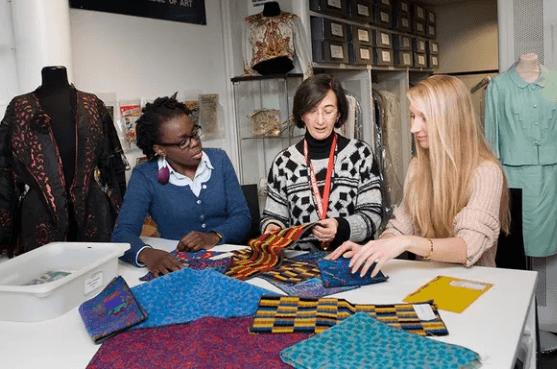
Fashion acts as a visual language, signaling mood, status, and belonging through color, cut, and symbol. Brands choreograph these cues with intent, while wearers assemble outfits to negotiate identity in daily life. Context—culture, setting, norms—reframes meaning, turning a look into conversation. Observers note how others curate presence with restraint or flair. The dialogue continues in every choice, inviting scrutiny of what the next ensemble might reveal.
How Fashion Messages Shape Personal Identity
Fashion messages function as visible cues that individuals use to negotiate self-presentation within social spaces. Within daily scenes, garments and accessories frame moments of choice, shaping identity construction as choices accumulate. Nonverbal signaling travels beyond words, signaling values, boundaries, and aspirations. Observed settings reveal how personal style can empower experimentation, offering readers a free path to redefine self-image through deliberate, contextual attire.
The Codes Brands Use: Color, Silhouette, and Symbolism
Color, silhouette, and symbolism operate as the concise grammar brands deploy to communicate value, mood, and belonging. The codes function as signals: color psychology guides perception, while silhouette signaling shapes movement and stance. Brands curate palettes and shapes to foster desire, delineate boundaries, and imply status. Observing these choices reveals strategic aesthetics rather than mere decoration, aligning aspiration with recognizable identity.
Context Matters: How Culture and Setting Change Meaning
In different cultures and settings, meaning shifts as readily as light changes angle.
Clothing acts as a movable signifier, its impact tempered by cultural context and situational cues.
Observers note how norms, rituals, and power dynamics redraw interpretations, while designers and wearers navigate audiences with sensitivity.
Cross cultural symbolism clarifies intentions, yet context remains the decisive interpreter in fashion’s communicative grid.
Reading the Outfit: Interpreting Style Signals in Daily Life
Reading the outfit in daily life requires attention to how garments translate mood, status, and intention in ordinary moments. Observers note color psychology shaping perception and silhouette language signaling approachability or authority. In context, routine choices become data points, revealing subtle negotiations between self-expression and social expectation, guiding interpretation with restrained curiosity rather than judgment, inviting readers toward freer, more intentional wardrobe conversations.
See also: The Next Evolution of Gaming Technology
Frequently Asked Questions
How Does Fashion Influence First Impressions in Seconds?
First impressions in seconds are shaped by appearance, signaling cues, and context; fashion guides timing impressions, triggering quick judgments that hinge on cohesion and vibe, while observers seek authenticity and freedom to interpret style without rigid constraints.
Can Trends Reveal Personality Without Stereotypes?
Trends can hint at personality without relying on stereotypes, though interpretations vary. Observers note perceived authenticity and color psychology as factors shaping reception, yet individual nuance remains essential; fashion offers signals, not definitive character declarations, in a free-spirited context.
Do Costumes in Media Shape Real-World Style Choices?
Costume influence is subtle, yet present; media aesthetics gently steer wardrobe choices, shaping preferences over time. Observed patterns suggest audiences mirror stylized cues, while personal taste remains intact, granted space for experimentation and freedom within cultural currents.
How Do Body Language and Movement Alter Outfit Meaning?
Body language and movement meaning shift how outfits are read, altering perceived intent. The same garment can convey confidence, hesitation, or rebellion as posture, gait, and pace interact with fabric drape, color, and silhouette, shaping social interpretation.
Is Sustainable Fashion a Political Statement or Personal Choice?
Sustainable fashion can be both political statement and personal choice. It intersects sustainable politics with personal expression, reflecting broader values while remaining an individual act. Observant and contextual, it supports an audience that seeks freedom in style and ethics.
Conclusion
In the quiet theatre of daily dress, garments etch identity with careful ink. Colors flicker like moods on a weathered map, silhouettes sketching power lines across a crowd. Brands whisper with emblematic breath, while culture tilts the stage—setting, norms, and unspoken scripts. Each outfit becomes a micro-essay, a spoken stanza without words, read by observers and self alike. Fashion, then, is a roaming conversation: a visible grammar translating inner weather into shared signals, shifting shapes as contexts shift.